What ArcSight found
src/error: fan-in 13, blast radius 43, MEDIUM. 58 modules and 210 dependency edges traced.
← HomepageAll repository proofValidation recordState of TS Architecture 2026
Repository proof
Real arc impact on h3 — blast radius, break paths, and evidence. Same question as the homepage: what breaks if I change this?
Project: h3 · Score: 81.3/100 (Healthy architecture) · 58 modules · 210 edges
arc impact src/errorRun the same analysis on your repository in under 3 minutes.
Four questions every public repository page must answer — see validation record.
One row per module. Fan-in is direct dependents. Blast radius is downstream modules reachable from that file.
| Module | Fan-in | Blast | Risk |
|---|---|---|---|
| src/error | 13 | 43 | MEDIUM |
| src/event | 27 | 41 | MEDIUM |
| src/h3 | 16 | 41 | MEDIUM |
| src/types/handler | 16 | 41 | MEDIUM |
| src/response | 12 | 41 | MEDIUM |
| src/types/h3 | 10 | 41 | CRITICAL |
| src/types/context | 9 | 41 | CRITICAL |
src/error: fan-in 13, blast radius 43, MEDIUM. 58 modules and 210 dependency edges traced.
In h3, Change-risk signal at src/error (fan-in 13) — merge impact can travel beyond the diff you see. Blast radius on src/error reaches 43 downstream modules. ArcSight answers “what breaks if I change this?” before you ship; high fan-in is a change-risk signal, not a verdict on design quality.
Where risk accumulates by control surface — drill down Surface → Substrate → Mechanism → Evidence.
See control surfaces →Diagrams are generated from ArcSight analysis data. Dependency graph and risk map show key modules; subsystem view shows high-level structure.
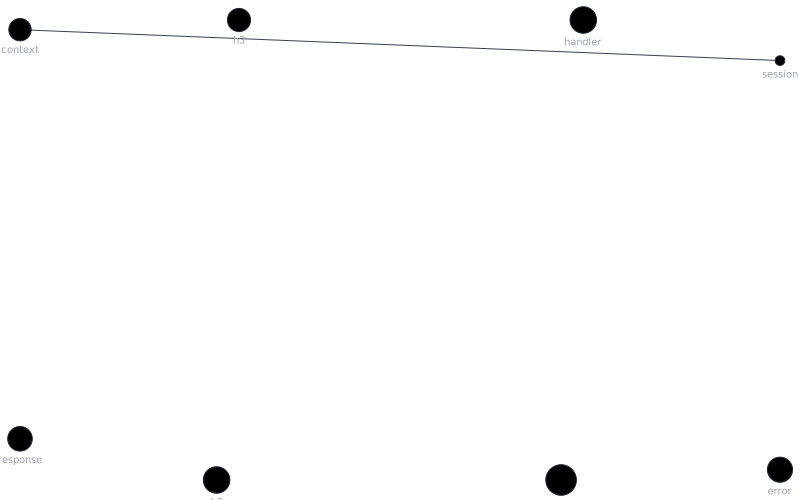

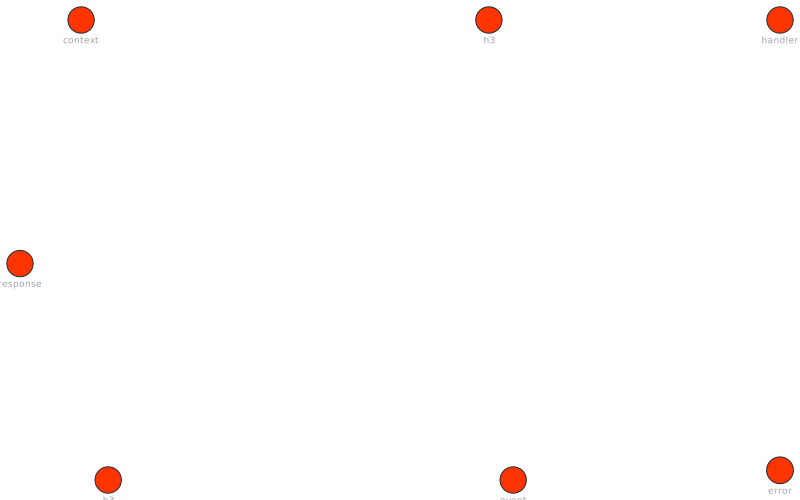
Score: 81.3/100 · Stability: 24/100 · Status: healthy · Confidence: 100%
src/error— concentrates too many responsibilitiessrc/event— concentrates too many responsibilitiessrc/event— sits on a dependency cyclesrc/event— shared utility hubsrc/h3— concentrates too many responsibilitiesImpact, then scan, fix, finish, and watch.
arc impact <file>See what a change breaksarc scanFind issuesarc fixApply fixesarc finishResolve remainingarc watchKeep clean| Metric | Value |
|---|---|
| Architecture score | 81.3/100 |
| Modules | 58 |
| Edges | 210 |
| Dependency cycles | 18 |
arc explain <path> before refactoring.Install locally, then run arc impact on the file you plan to change — before merge.
Use this iframe to show the architecture badge on your site.
<iframe src="https://arcsight.ai/embed/h3/" width="320" height="180" frameborder="0"></iframe>Evidence-backed analysis snapshot. Validation record · Install · Homepage demo